Protein is as essential as it gets when it comes to building and maintaining a healthy diet and body. Yet, with a surplus of protein options, picking a protein source can be difficult, especially when trying to lose weight. In addition to the most obvious proteins, such as beef, chicken, fish, and pork, protein supplements are a quick and convenient option. However, like traditional protein sources, there are numerous choices when picking a protein supplement. And, one of the most widely used and popular protein supplements is whey protein. But is whey protein good for weight loss? Protein is considered one of the body’s most essential nutrients because it’s valuable to every cell in the body. It’s required for MedicGLP Capsules maintaining our bones, muscles, organs, skin, and nails and even helps keep the systems of the body running properly. Still, protein is most well-known for being a key component in sustained weight loss.
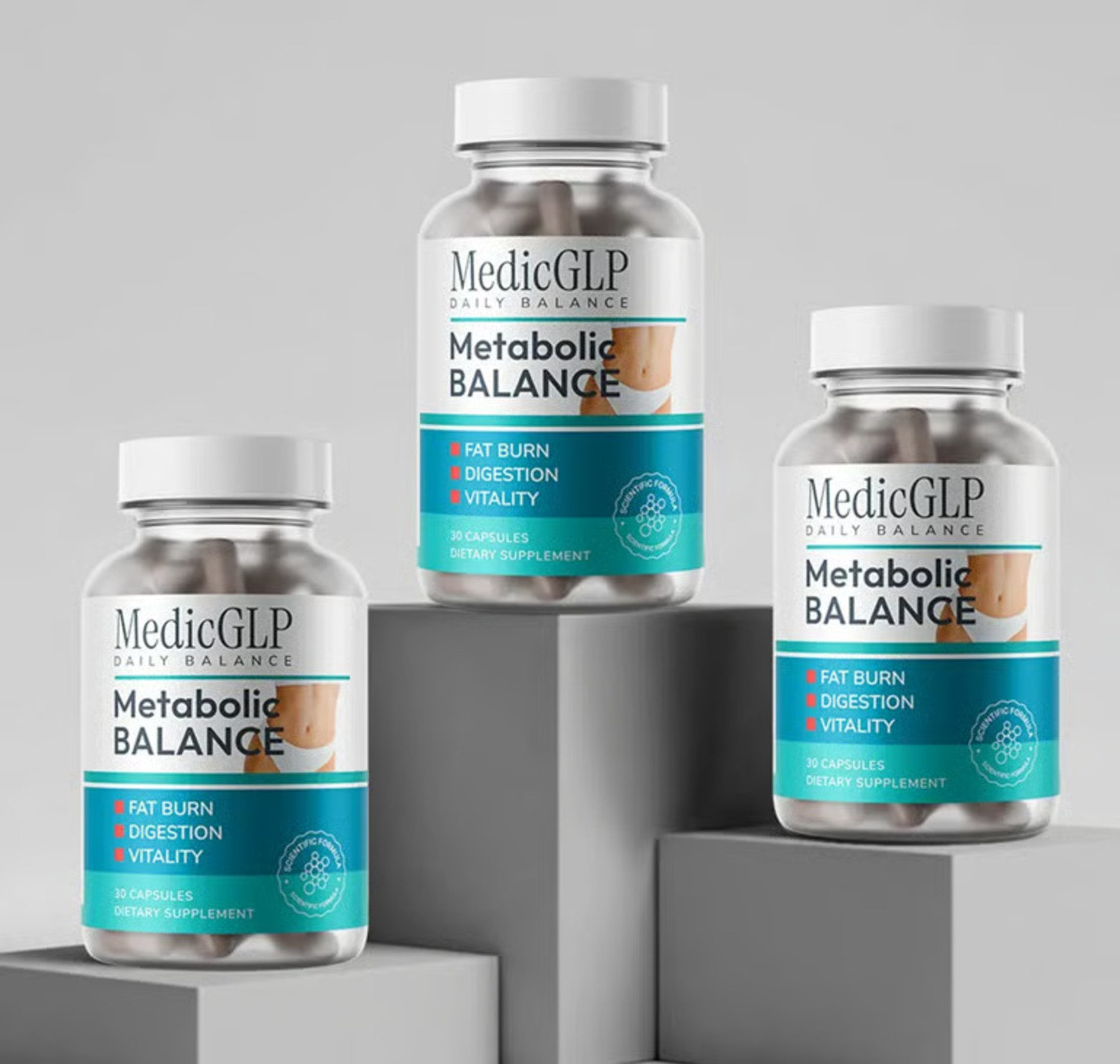
This is because research has shown that consuming diets higher in protein is not only safe for otherwise healthy individuals, but these diets may provide a host of health benefits, including helping boost metabolic rate and energy expenditure, increase satiety, and reduce caloric intake, as well as preserve and build calorie-burning lean muscle. How Much Protein Do I Need a Day? The MedicGLP Dietary Supplement Reference Intake or RDI of protein for a healthy adult is around 0.36 grams per pound of body weight. This is about 56 grams per day for the average sedentary man and 46 grams per day for the average sedentary woman. 1 However, higher protein diets have been shown to improve health and metabolic function as well as help folks maintain a healthier body weight with less fat and more muscle. For people who want to consume a high-protein diet who exercise regularly, it is recommended that protein intake be increased to at least 0.73 grams per pound of body weight.
Unfortunately, MedicGLP Dietary Supplement achieving the optimal amount of protein in the diet can be challenging, which is why so many of us turn to protein supplementation. Yet, when it comes to optimizing protein intake and reaping the benefits of protein, protein quality is critical. This is a major component as to why whey protein comes out on top and is an excellent choice when it comes to weight loss. The term protein quality refers to the balance of amino acids, the digestibility of the protein, and the availability of the absorbed amino acids. In particular, protein quality emphasizes the essential amino acids, which are those the body needs, cannot produce, and must get through the diet. For these reasons, whey protein, along with other animal-based proteins, reign supreme across the scales for protein quality. They’re easily digested, rapidly absorbed, and the most concentrated sources of essential amino acids. If we take an even closer look, the two major components of milk protein are whey, which is rapidly digested, and MedicGLP supplement casein, which is digested much more slowly.
Whey makes up 20% of the proteins in milk and is the liquid portion of milk. It is separated from the curd, which comprises the remaining 80% during the cheese-making process. Whey contains five major peptides and hundreds of low-abundance peptides, which together provide a host of benefits for weight loss. In general, high-protein diets promote healthy weight management, and compared to normal-protein diets, they tend to accelerate fat loss, help maintain calorie-burning lean muscle mass, and prevent weight regain. In a recent study, researchers concluded that the current body of literature supports the use of whey protein, either as a supplement combined with resistance exercise or as part of a weight-loss or weight-maintenance diet, to improve body composition. Along those same lines, supplementing with whey protein may help accelerate fat loss and build/maintain calorie-burning lean muscle. And those effects may be even better when combined with regular strength training.